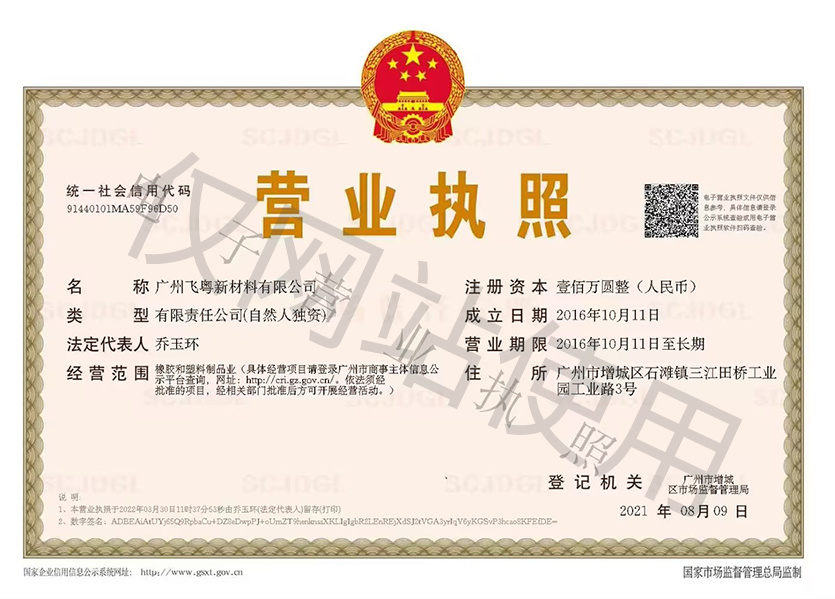
welcome to visit guangzhou feiyue new material limited company's official website!
Email:66571315@qq.com


NEWS
News


Related News
Introduction to the varieties of mixed rubber
Release time:
2025-01-23 16:15
Model sulfurized compounded rubber
It is a compounded rubber that is formed and cross-linked simultaneously in the mold. They are suitable for compression molding, transfer molding, and injection silicone molding to prepare automotive seals, gaskets, O-rings, spark plugs, and tire pads, among others. Products such as electronic and electrical buttons and high-pressure cooker gaskets are also included. This type of compounded rubber is made from methyl vinyl silicone rubber, reinforcing fillers (fumed silica, precipitated silica), semi-reinforcing fillers (diatomaceous earth), incremental fillers (quartz powder), structure control agents, modified additives, and vulcanizing agents, mixed together. By changing the formulation, it can also be made into general-purpose, heat-resistant, and non-two-stage vulcanization compounded rubber respectively.
Compounded rubber for extrusion molding
Compounded rubber for extrusion molding is usually made from methyl vinyl silicone rubber, fumed silica, and other additives. When DCBP is added, it can be processed into rubber hoses, rubber strips, and wire and cable products using an extruder and hot air vulcanization process. The compounded rubber for extrusion requires maintaining a certain plasticity. When using grades with too low hardness, the plasticity is too low, which can easily lead to stickiness, bubbling, and excessive expansion of the die opening, causing the extrudate diameter to exceed the die opening diameter too much, affecting the extrusion process and product appearance. Conversely, using grades with too high hardness makes it difficult to extrude due to small die opening expansion. The suitable hardness (Shore A) is 50-70. Precipitated silica is not suitable as a reinforcing filler for silicone rubber used in extrusion molding due to its high moisture content; otherwise, it can easily cause foaming of the products during hot air vulcanization.
Related News




Sweep, pay attention to the latest developments
Guangzhou Feiyue New Material Co., Ltd

national free advice hotline:

Address: No. 3, Industrial Road, Sanjiang Tianqiao Industrial Park, Shitan Town, Zengcheng District, Guangzhou

Fax: 020-32163051
Website: www.fyrubber.com.cn
Message consultation
* Note: Please be sure to fill in the information accurately and keep the communication unblocked. We will get in touch with you as soon as possible.
COPYRIGHT©2025 Guangzhou Feiyue New Material Co.,Ltd. ALL RIGHTS RESERVED. | Powerby:300.cn | SEO Tags | Business License | city substation